View Cart
Sub-Total: $0.00

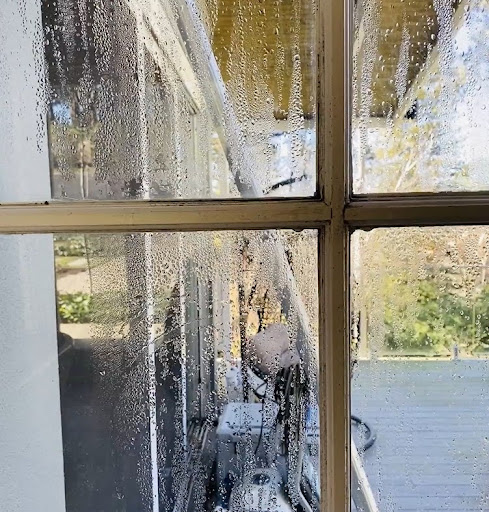
If you’ve ever pulled up flooring or taken off plasterboard and found moldy or decayed timbers behind, it might not be a water leak that caused it, it could be the result of the interaction between moisture/humidity and heat with that assembly – or hygro (moisture) thermal (heat) behavior. Hygrothermal behavior is the interaction between heat and moisture in the building envelope, and it’s one of the most misunderstood ways buildings fail. As we build more air tight and energy efficient homes, we’re increasing the difference between inside and outside conditions. We are changing the way heat and moisture move within a building envelope which means we’re increasing condensation risk and reducing drying capacity.
|
 Regarding the image above this was not rain or a water leak, this was significant condensation on the inside of the window pane – a cold surface (aluminum and glass, in winter, in the Adelaide hills) and a humid environment (a bedroom). The biggest risk time frame is first thing in the morning, when surfaces are coldest and this window was still this wet at 11am so there was very little drying capacity here – which mean mold and decay was practically guaranteed. Regarding the image above this was not rain or a water leak, this was significant condensation on the inside of the window pane – a cold surface (aluminum and glass, in winter, in the Adelaide hills) and a humid environment (a bedroom). The biggest risk time frame is first thing in the morning, when surfaces are coldest and this window was still this wet at 11am so there was very little drying capacity here – which mean mold and decay was practically guaranteed.
Think of condensation risk like pulling a can from the freezer versus the cupboard – the colder the can and the more humidity in the air, the more condensation will appear on the can. The interaction between moisture/humidity and temperature is the same in our buildings as it is on a coke can and if we’re not carefully managing how heat and moisture move through the envelope, we’re setting that building up for failure because buildings that can’t dry, whether slowly or quickly, will ultimately fail.
|
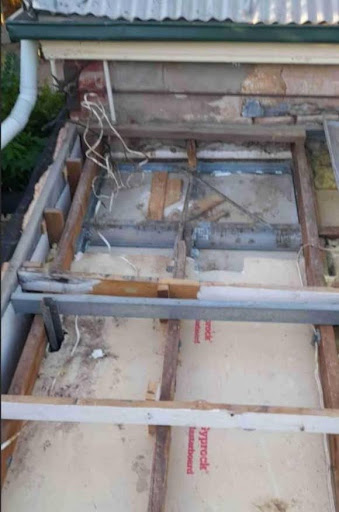
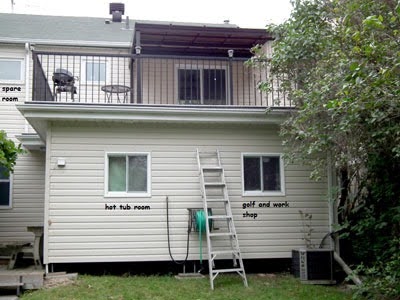 Roof pitch is a really good example of where hygrothermal principles play out in very practical ways. When we think about roof pitch we’re thinking about aesthetics, council restrictions on height, overall look and space – but this decisions is also a hygrothermal choice. Roof pitch is a really good example of where hygrothermal principles play out in very practical ways. When we think about roof pitch we’re thinking about aesthetics, council restrictions on height, overall look and space – but this decisions is also a hygrothermal choice.
Steep roofs naturally allow warm, moist air to rise and escape more quickly and allow efficient drainage. Flat and low-pitch roofs trap that moisture and don’t allow good drainage, which is why the NCC 2022 now mandates significantly more ventilation for pitches under 10 degrees. And with NCC 2025 expected to extend these requirements into climate zones 4 and 5, this affects a lot more of the country than many builders currently realise. Tile decks over habitable rooms are another blind spot worth knowing about. These decks behave like roofs in every way that matters hygrothermally, but currently fall outside the ventilation requirements. If you wanted to design something for hygrothermal failure, that’s pretty much it; flat and unventilated. |
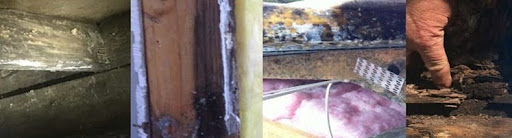 The building materials we’re using have also shifted the hygrothermal risk significantly. Radiata pine, MDF, paper-faced plasterboard and engineered timbers are far more moisture-sensitive than the hardwoods and sawn timbers they replaced. Problems that might have taken 50 years to show up in an older build can appear in 15–20 years in a modern one, or sooner. The building materials we’re using have also shifted the hygrothermal risk significantly. Radiata pine, MDF, paper-faced plasterboard and engineered timbers are far more moisture-sensitive than the hardwoods and sawn timbers they replaced. Problems that might have taken 50 years to show up in an older build can appear in 15–20 years in a modern one, or sooner.
The takeaway? NCC compliance is the legal bare minimum, not necessarily fit for purpose. Understanding how heat and moisture actually behave within your building, and then designing for it, is what separates buildings that work from buildings that fail.
|