Blog

R value and U value: Understanding Thermal Performance

When talking about the energy efficiency of a building and the thermal performance of the materials being used in it’s construction, you may hear people talk about “values”. The “R value” of insulation, for example, or the “U value” of a window.

Whether it’s R-value, U-value, they essentially measure the same thing: how well a material resists or allows heat to pass through it.

  1. The R-Value: Thermal Resistance

The R-value tells us how well a material resists the flow of heat and it is dependant on the thickness of the material. It is most commonly used to rate insulation (batts, blankets, or rigid boards).
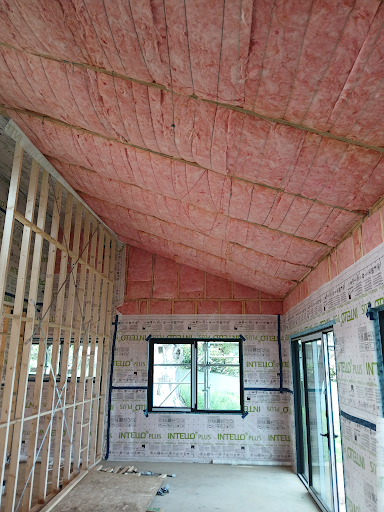
  • The Rule: The higher the R-value (or the thicker the material), the better the material is at keeping heat in (during winter) or out (during summer). You want this number to be as high as possible.
  • Measurement: m2K/W (Square meter Kelvin per Watt).
  • Example: An R2.0 wall batt is twice as effective as an R1.0 batt at keeping heat out.

  1. The U-Value: Thermal Transmittance

The U-value measures how much heat is actually lost through a building element (like a window or a door). It is the standard number used to talk about performance of windows.

  • The Rule: The lower the U-value, the less heat escapes. You want this number to be as low as possible.
  • Measurement: W/m2K (Watts per square meter Kelvin).
  • Example: A standard single-paned window system (frame and glass together) might have a U-value of 6.0, while a high-performance window system with a thermally broken frame and double-glazing might have a U-value of 1.5.
  1. The Relationship (The Maths)

R-values and U-values are mathematical inverses of each other.

  • U = 1 / R
  • R = 1 / U

So for example, an R2.5 insulation batt, has a U value of 0.4 (U = 1 / 2.5) (remember, lower U value is better).

And a high performance window with a U value of 1.5, has an equivalent R value of 0.66 (R = 1/1.5) (remember, higher R value is better).
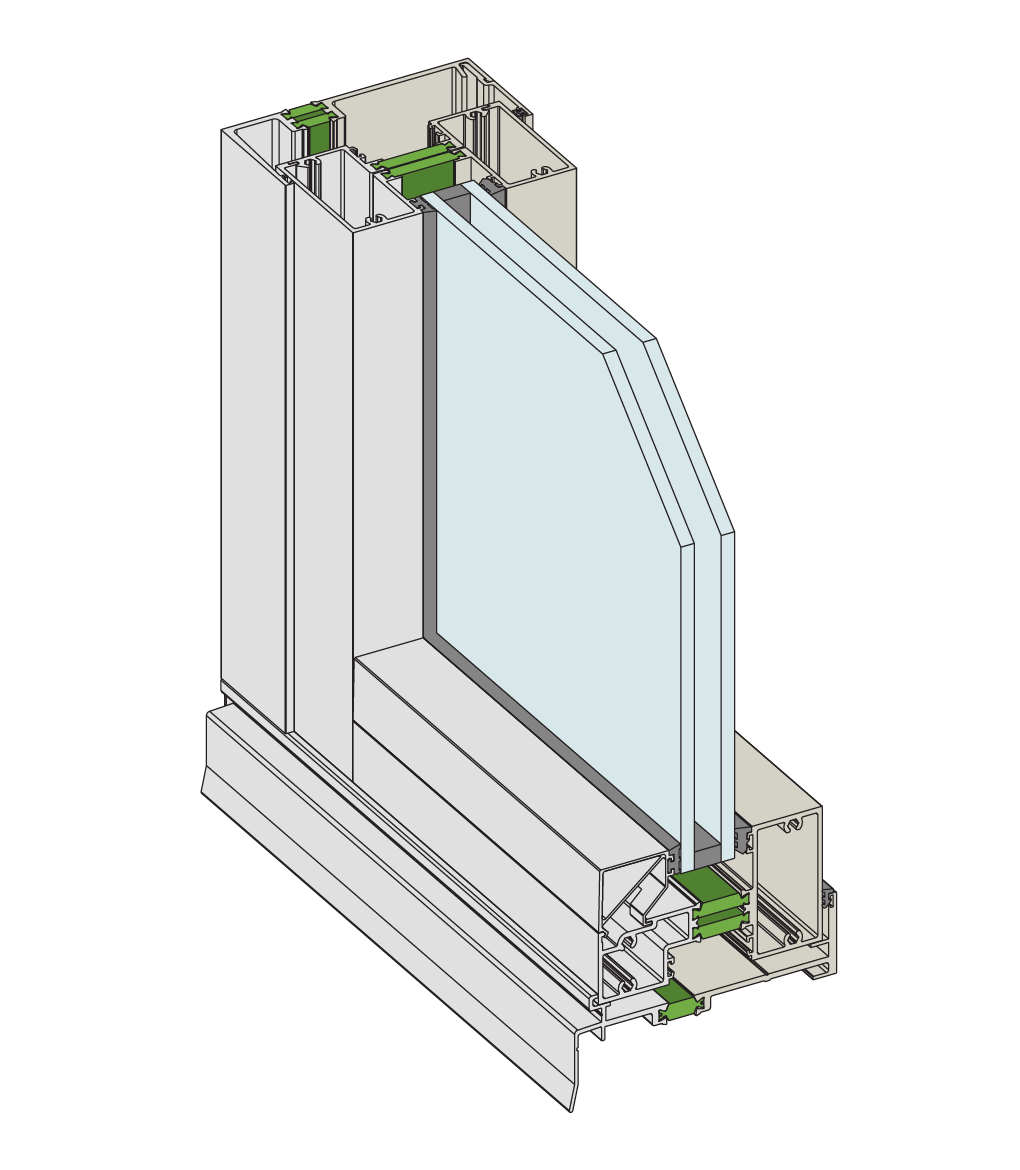
So by doing these very simple sums, you can see how poorly windows compare to insulation in terms of keeping your house comfortable.

Wall batt – R2.5 vs uPVC high performance window – equivalent of R0.66

Even a really high performing window is 1/4 the thermal performance of an R2.5 insulation batt. We love our big windows, but they are by far the weakest part of any thermal envelope and it’s important to keep this in mind!

  1. How to Improve Your Numbers

To achieve a comfortable, energy-efficient home, you want to maximise your insulation R-values and minimise your window U-values.

To lower the U-value of your windows:

  • Thermally Broken Frames: Insulated frames that prevent heat from “bridging” through the aluminum
  • uPVC frames: Frames made from a naturally insulating polymer that doesn’t conduct heat and uses air-filled chambers to block energy loss
  • Double or Triple Glazing: Adds layers of air/gas to slow heat.
  • Argon Gas Fill: A denser gas than air that provides better insulation between panes.
  • Low-E Coatings: Invisible metallic layers that change the direction of heat through the glass

To increase the R-value of your home:

  • Increase Insulation Thickness: Use an 250mm batt (R6) instead of a 19mm batt (R4) in your ceiling
  • Use higher-density batts: Use a R2.5HD batt instead of a R2 batt in your 90mm walls
  • Eliminate Gaps: Ensure insulation is as continuous as possible, without holes, sagging, bunching and scrunching – you don’t want gaps where heat can bypass the insulation.

So in summary…..

If you are looking at insulation, look for the Highest R-Value. If you are looking at windows, look for the Lowest U-Value!

Avatar photo

Jessica Kismet

Our goal is to improve the comfort, health and energy efficiency of buildings across Australia by offering solutions that protect both the environment and the structure.

Leave a Comment

Your email address will not be published. Required fields are marked *

Shopping Cart
Scroll to Top