View Cart
Sub-Total: $0.00

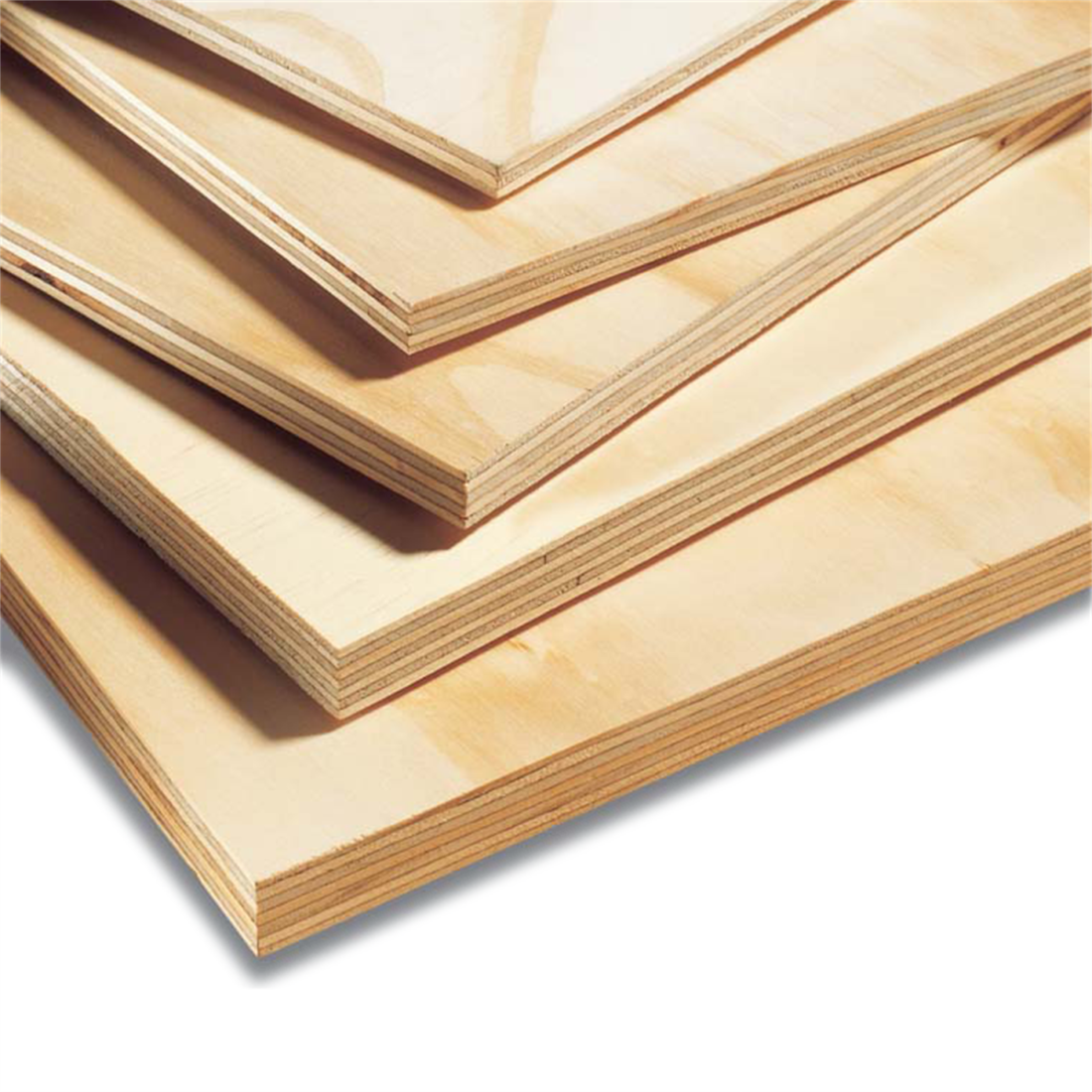
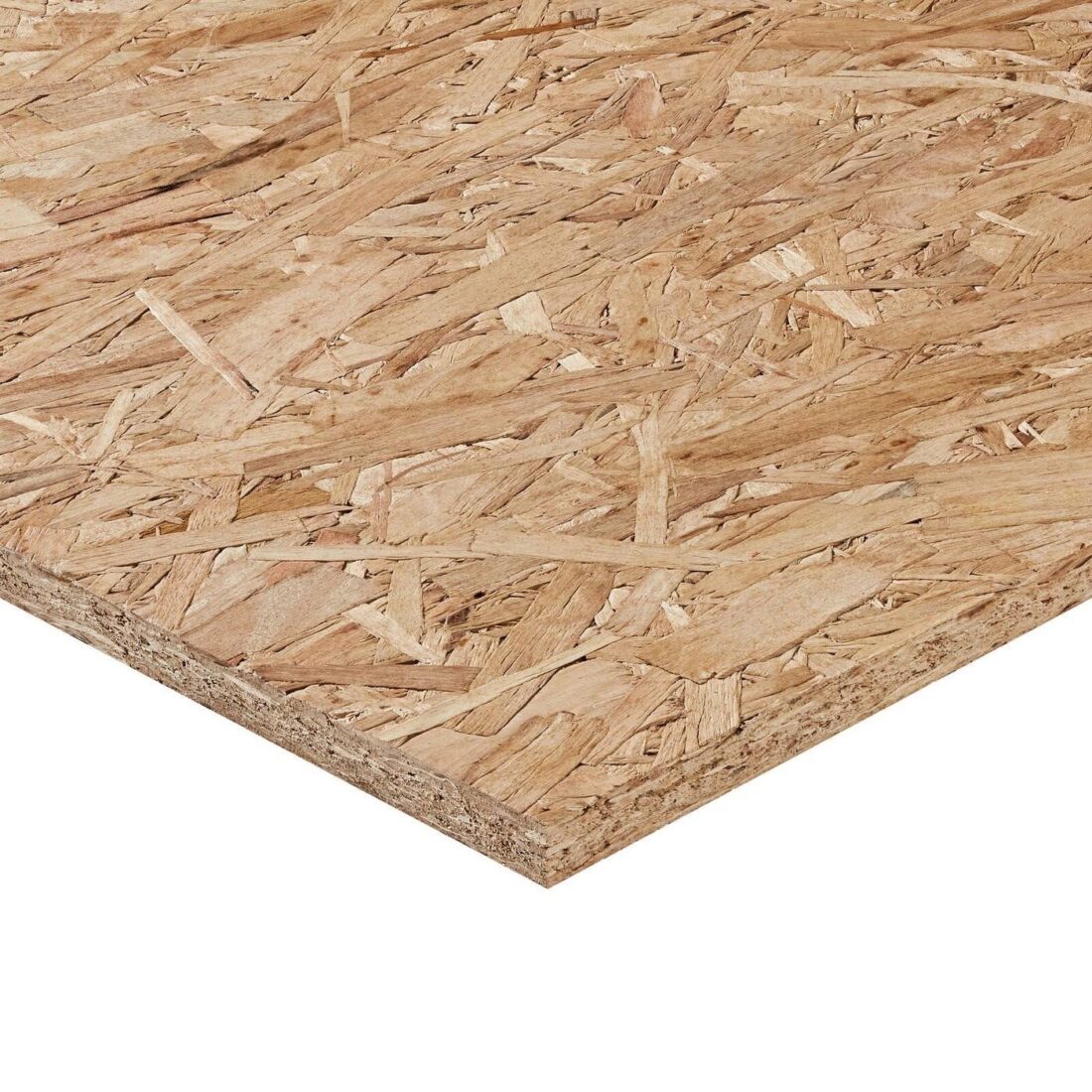
You can legally build a roof down to 2 degrees in Australia using a flexible membrane, but just because you can, doesn’t mean you should. At lower pitches, the risks of standing water, ponding and leaks are greatly increased. This is why it is best practice to include a rigid substrate for roofs below 10 degrees, to ensure everything is sloping downhill, not drooping and draining well.
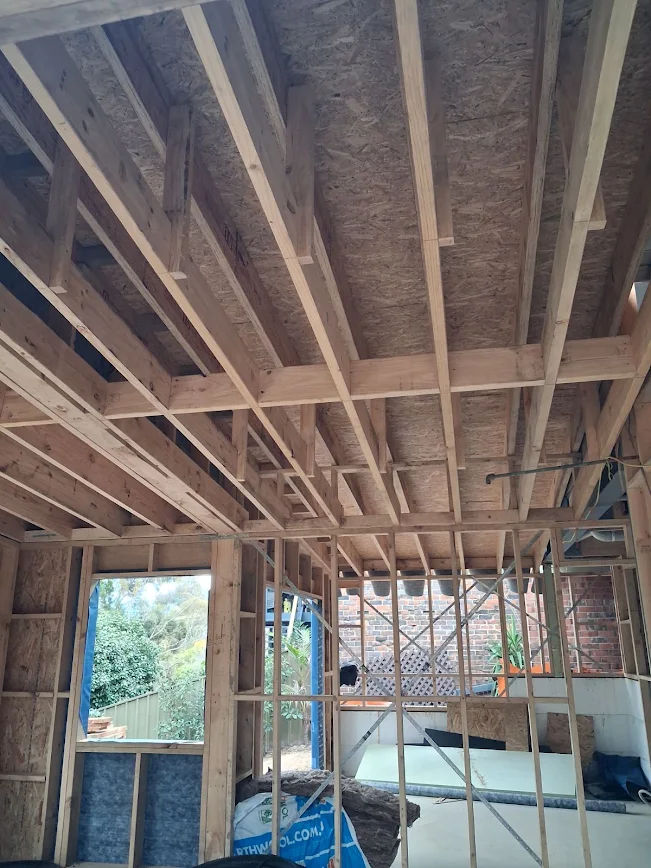
Low pitch roofs (2 – 9 degrees) make up a large portion of roofs in bespoke designs in Australia. So if you do use a rigid substrate, what does this substrate mean for the performance of the assembly? If you’ve ever been left wondering if this affects the vapour permeability of the assembly, you’re not alone. Read on for more information on which substrate we believe is most durable for this application.
Plywood or OSB?
The common substrates used are OSB and plywood – but the debate remains, which one is best?
In winter, external sheathing becomes the coldest part of your assembly, making it a prime target for condensation when warm humid air comes into contact with it from inside the house via the gaps and cracks in your plasterboard layer that shouldn’t be there.
Here is the breakdown of how both materials handle moisture, and which one is actually safer to build with.
First, you need to know that yes, adding any board behind your Weather Resistive Barrier (WRB) does change how your assembly dries.
These numbers show us that adding a rigid substrate under your roof membrane makes this assembly 6 – 10 times more vapour-resistant, so yes, your assembly’s ability to dry out is decreased. (Please note that this is a simplification of the numbers and there are a number of factors that will affect the outcome e.g. relative humidity within the board, thickness of the substrate and more)
When things get wet, these two materials behave completely differently. Here is how they stack up across the three areas that matter most:
| Feature | Plywood | OSB (The “Spam of Woods”) |
| Liquid Water | The Sponge: Absorbs water quickly at first via capillary action, but moisture levels stabilise fast. | The Bucket: Waxes repel water initially. But over time, water pushes past, the board swells, and it stores 3 to 4 times more water than ply. |
| Drying Potential | Forgiving: When the assembly gets damp (70-80% humidity), plywood physically opens up, letting trapped moisture escape and dry out. | Stubborn: OSB has twice the vapour resistance of ply because of its high resin content (4-5%). If water gets in, it struggles to get out. |
| Mould & Rot | Tough: Clean and resistant. In severe rot tests, ply lost a negligible 1% of its mass. | Mould Food: Made of sugary sapwood and offcuts. In the same severe rot tests, OSB lost a massive 36% of its mass. |
We are increasingly relying on software like WUFI to predict condensation risks. The National Construction Code in Australia now requires a WUFI model if you don’t comply with DtS wall build ups in climate zones 6, 7 and 8, but there is an inherent issue with any model or computer simulation, in that real world applications may differ from the model significantly.
For example, there are 11 different types of ply in the WUFI software and there is significant variation between them. Who is to say that the one modelled is the closest available product being used on site? WUFI professionals typically pick a generic “plywood” or “OSB3” proxy in their models using a “best guess” method. The thing is, this means that if your WUFI professional uses the wrong proxy, your entire condensation model is based on assumptions. You might get a passing grade in the software, but grow mould on site.
Don’t blindly trust software proxies. The fix is cheap and easy: you can get your specific product tested in Australia.
For about $200, you can send a sample of your rigid board to a lab for an ASTM E96 test to measure its exact vapour transmission rate.
Note: vapour permeance changes depending on RH within the material, so be sure to ask your lab for the wet cup (method B) test, rather than the dry cup (method A) test. We don’t care how easily the board will dry, if it’s dry…. we need to know how it will behave when the RH within the product gets up to 70 – 80%.
Then, you ask your WUFI professional to plug that real-world data into WUFI, and your model turns from an educated guess into much more reliable building science.
We’ve talked about condensation here, which is the slow, invisible killer. But a leak at a window opening or a frame exposed to rain during construction creates a much bigger, quicker water problem than condensation.
If plywood gets wet during construction, it will suck it up, but it will also dry out relatively quickly if it’s not continually exposed to more water.
If OSB gets saturated by rain or a window leak, it’s a different story. The water gets past those surface waxes, or enters via the end grain or screw hole and the board begins to swell. Because OSB is so stubborn at letting moisture go (remember its high vapour resistance), that bulk water stays trapped for longer and the board will go mouldy more easily.
Can you build with OSB? Absolutely – it’s strong, uses timber waste well, and works if you have little to no rain during construction, flawless window detailing and interior vapour control layers and good internal ventilation meaning that it will never get wet and the vapour in the air won’t condense on the inside cold face.
But building is all about managing risk in the real world. Because it dries better when wet and holds less water long-term, plywood is convincingly the safer, more forgiving choice.
Having said all of this, building science and moisture management is always climate dependent. Remember at the start of this article we stated that this rigid sheathing is the coldest part of the assembly in winter? In the colder parts of Australia and in the colder seasons regardless of what product you use, the best idea is to keep that layer warm by insulating it on the outside. That way it is no longer a cold, condensing surface and vapour will not turn into water. This is best practice regardless of product choice.
Head up north to our hot humid climates like Cairns and Darwin, due to the higher percentage of resin used, OSB is a preferable choice to ply in one sense, as it is more of a vapour barrier and helps prevent that external hot humid air getting into the cavities, but the chances of the board getting wet or being exposed to very high humidity for long periods is extremely high, as well as the fact we’ve established in this article, that OSB goes mouldy and rotten faster than ply when it gets wet. The external weather resistive membrane does a lot of heavy lifting in the tropics, regardless of substrate, but the moisture resistance of that substrate remains a very important consideration.
“Australia is magic because it has all the climate zones… you folks have to know everything about everything…” – Dr. Joe Lstiburek
It is very important to consider your climatic conditions when thinking about moisture management and energy efficiency.
We hope this article has helped iron out a few questions for you, even if it also created more!
With input from Villy Yordanov, pro clima, Dr. Joe Lstiburek Building Science Corp and Dr. Cameron Munroe, Passive Analytics
Sources: